• ‘Straw by Straw’

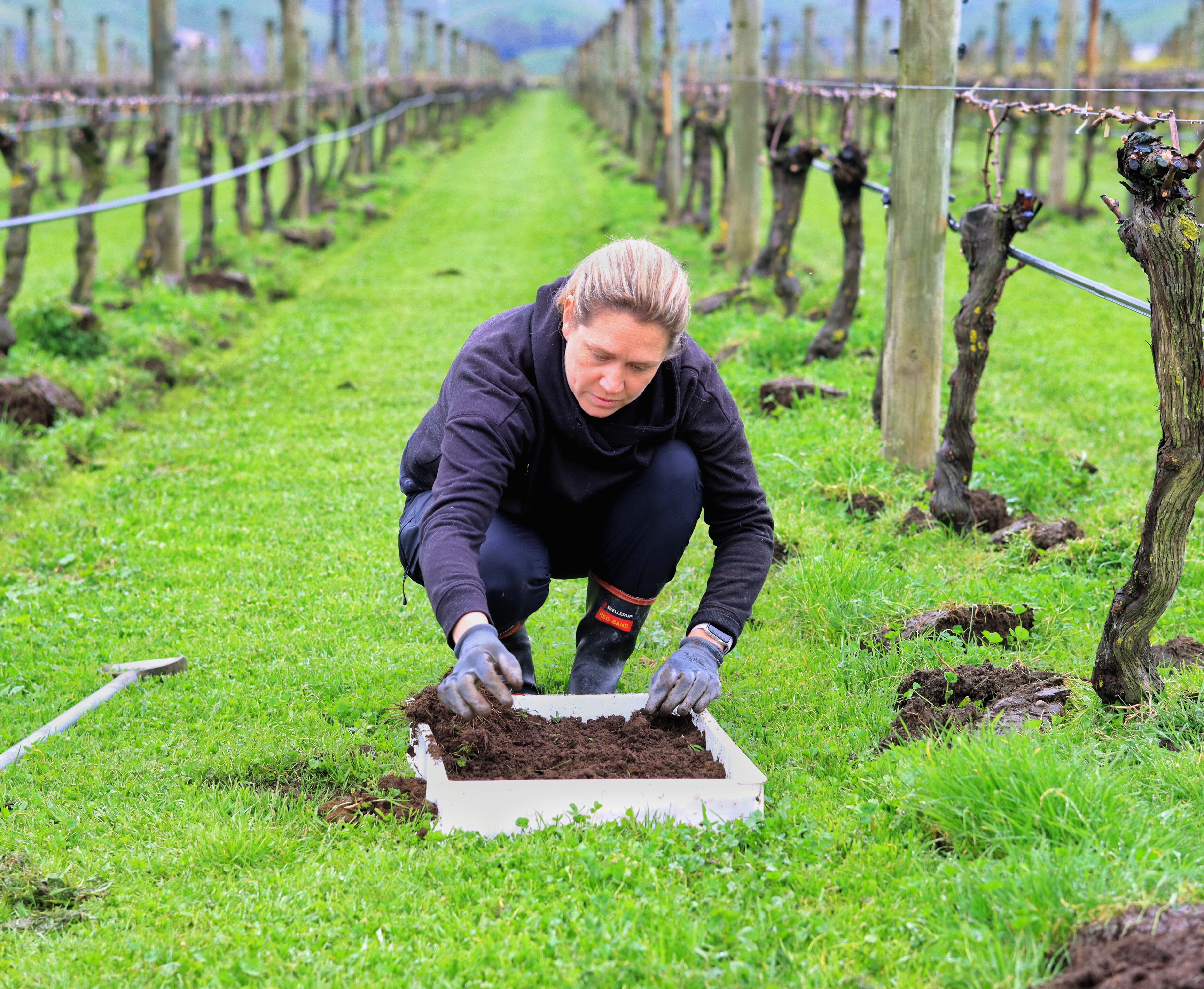
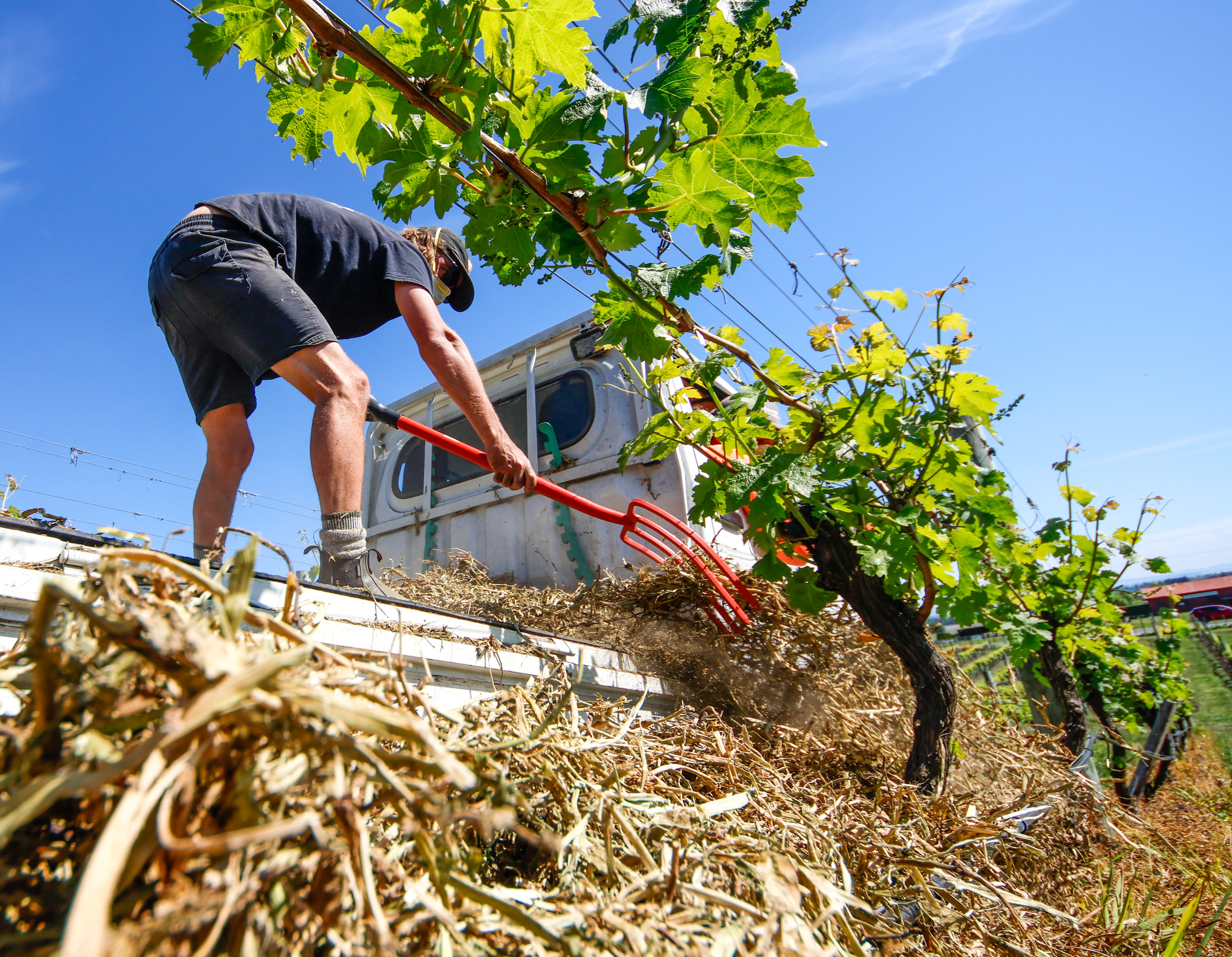
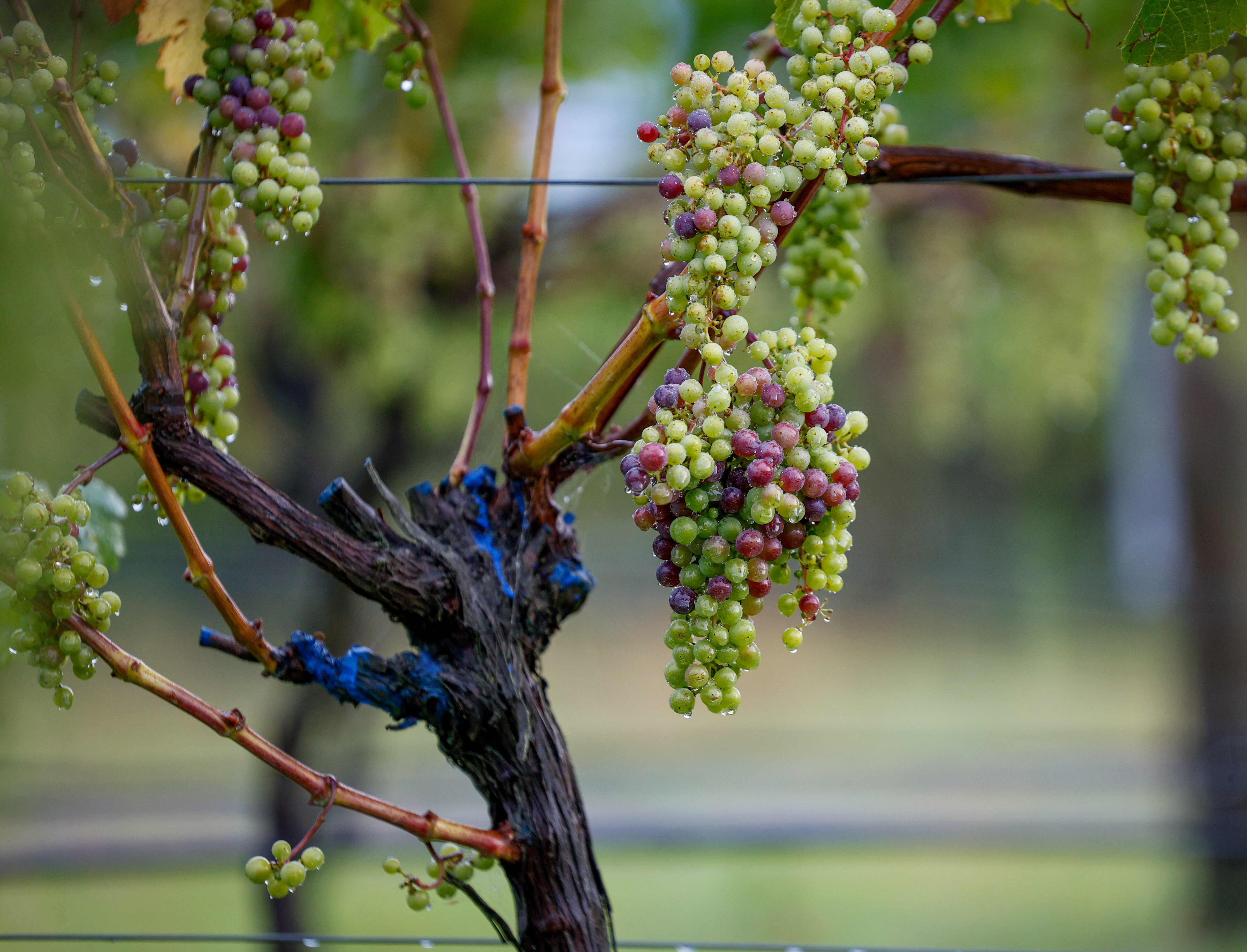
    At Te Mata Estate, viticulture begins with careful attention to the soil beneath the vines. Across the estate, a combination of under vine mowing and the application of straw is used to manage moisture, encourage biodiversity, and support vine health. These practices reflect a belief that long term quality in wine is built slowly, through thoughtful, ‘hands on’ decisions made in the vineyard.

  • New Tech for Fresher Wines

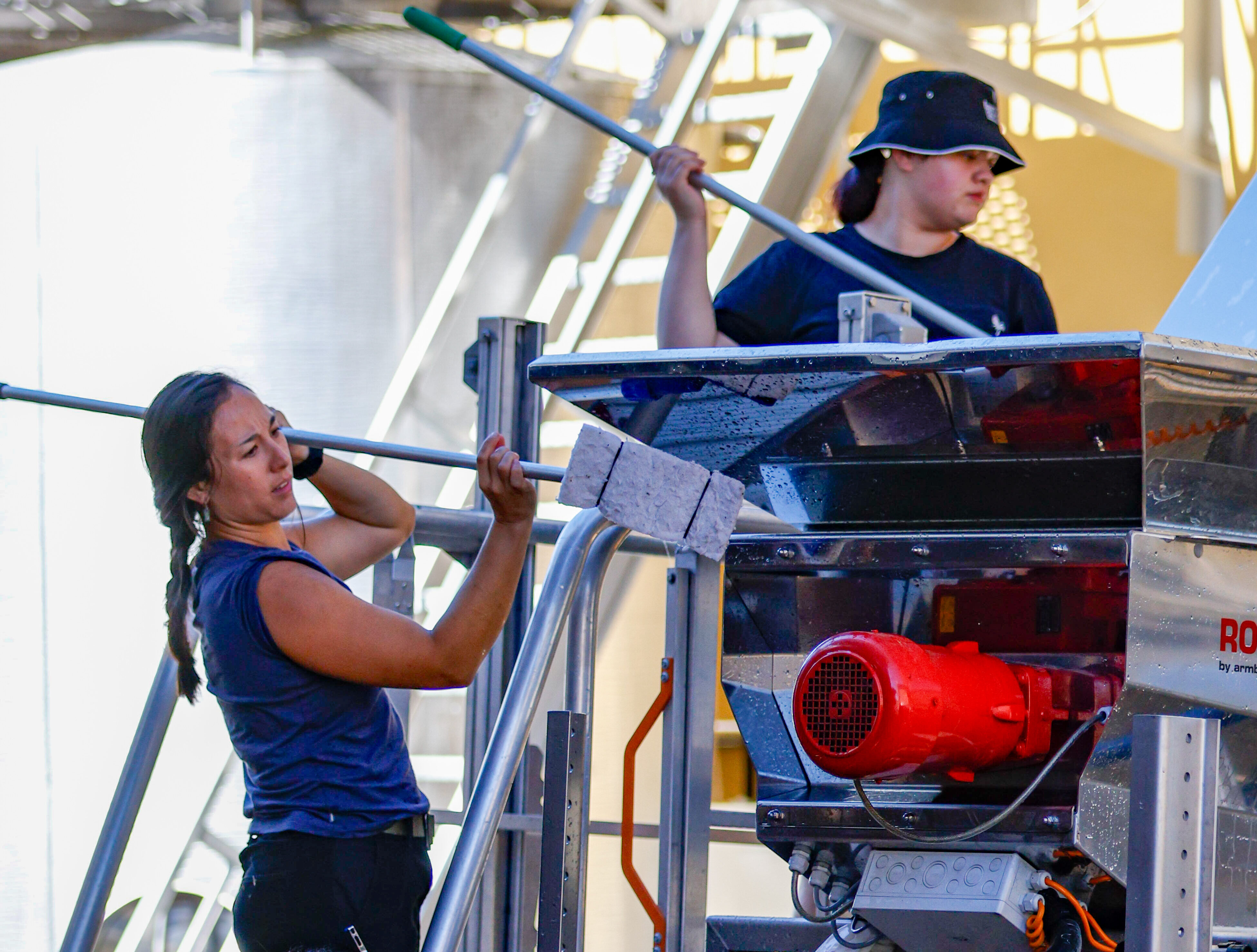
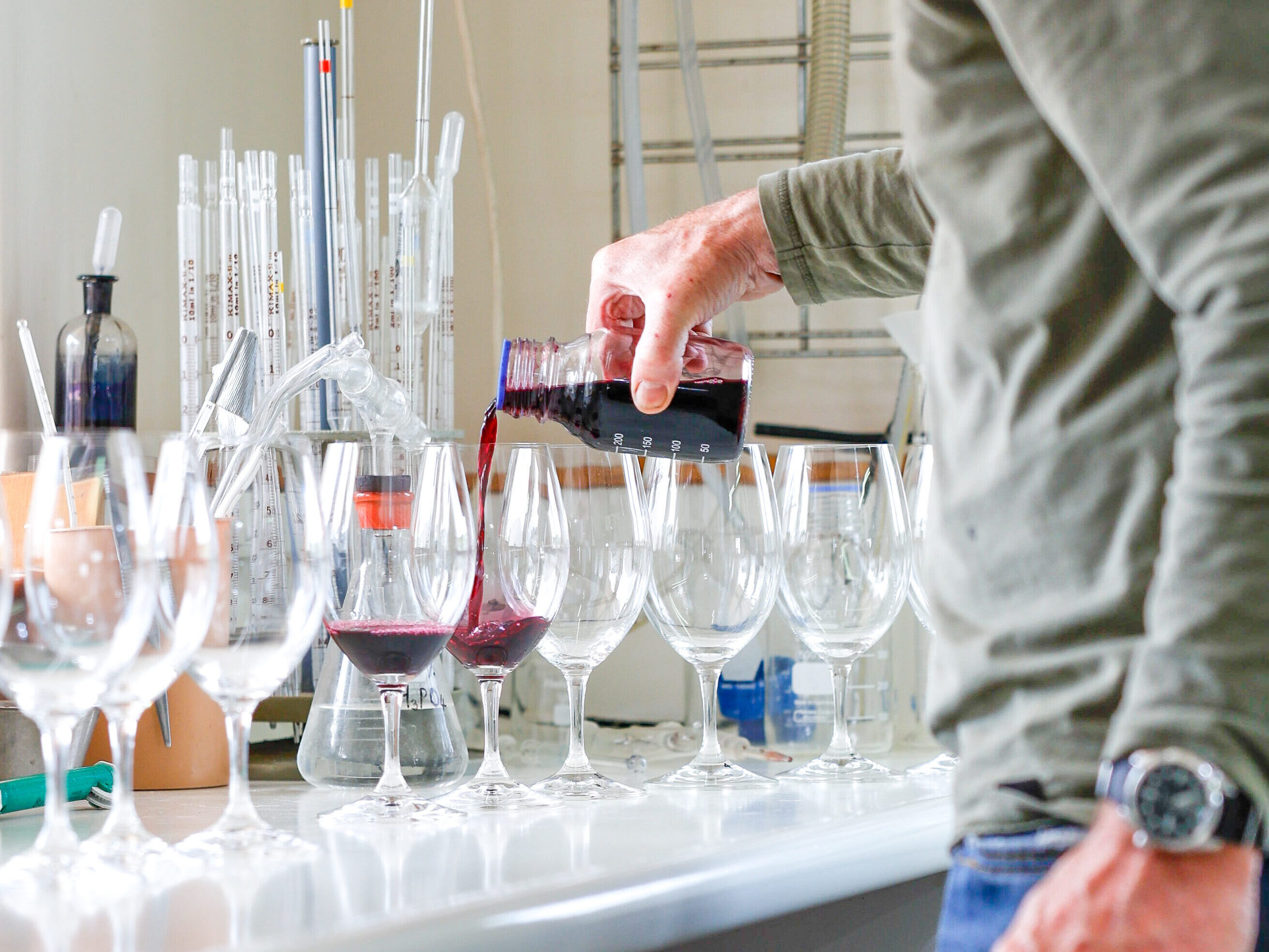
    At Te Mata Estate, innovation has always been most meaningful when it serves the vineyard. That philosophy continues with the introduction of an Armbruster vibrating fruit sorting table, making Te Mata the first winery in New Zealand to adopt this technology. Designed to handle fruit with extraordinary care, the sorter reflects a long standing commitment to precision, freshness, and the clear expression of Hawke’s Bay.

  • Celebrating Conservation

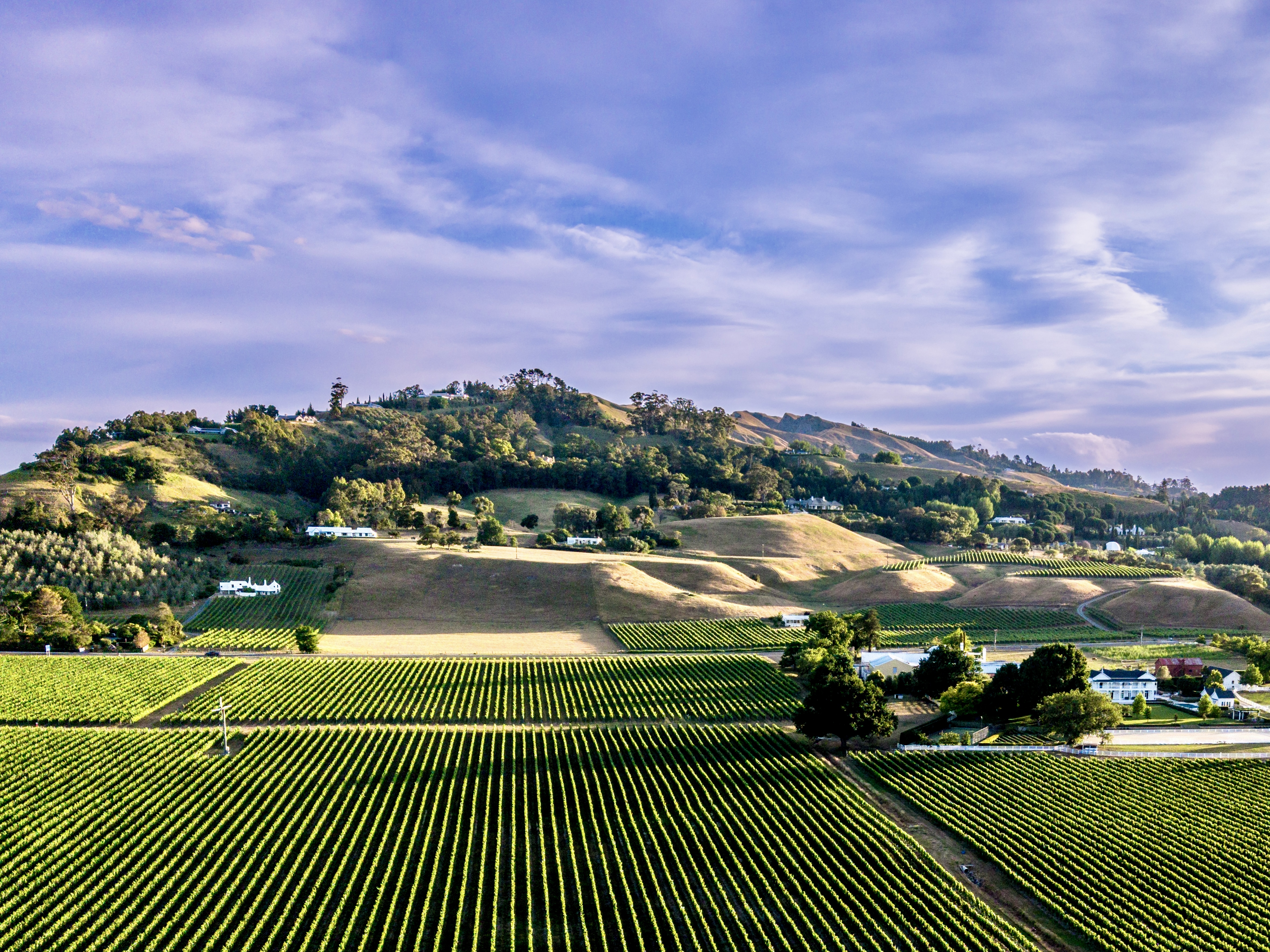
    This year marks a significant milestone for the Te Mata Special Character Zone as it celebrates its 30th anniversary. Nestled in the heart of Hawke’s Bay, New Zealand, this area stands as the country’s first legally protected zone for vineyards, winery, and viticulture, an achievement that sets a precedent in New Zealand’s wine industry.

  • Companion Planting Updates

    Spring has truly arrived in the Te Mata Estate character zone, and the vineyards are bursting with life. Between the vines, a carpet of mustard seed, tick bean, and phacelia is in full flower, bringing vibrant colour to the rows.

  • Glass: A Lighter Choice

    Glass bottles are an essential part of wine, but their weight and production have real environmental and practical impacts. At Te Mata Estate, decisions about glass are shaped by more than a century of exporting wine from Hawke’s Bay to the world. By using recycled glass and lighter bottles, the estate reduces shipping weight and carbon impact while keeping the focus where it belongs, on the quality and character of the wine inside the bottle.

  • Beyond Biodynamics

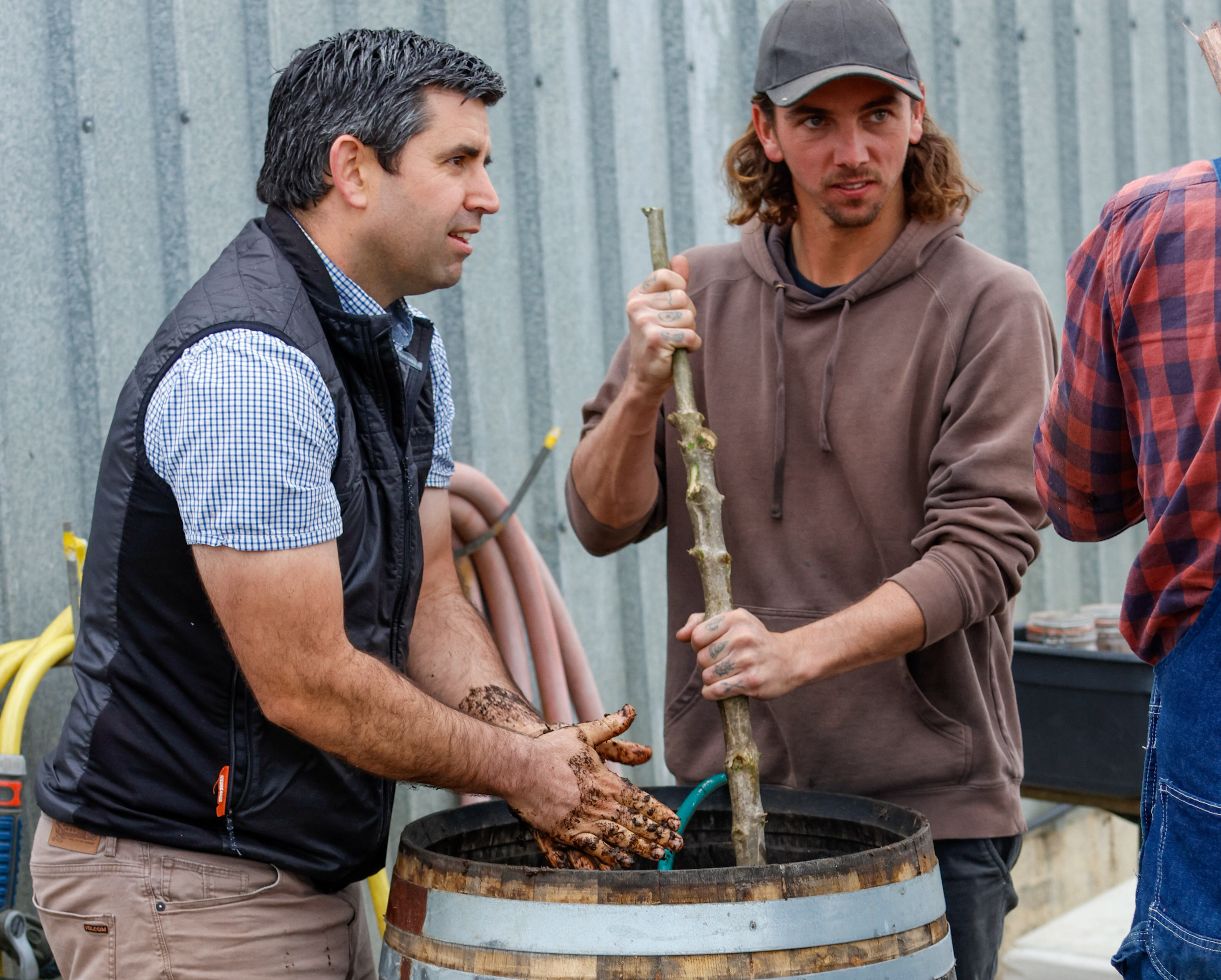
    At Te Mata Estate we do use organic and biodynamic techniques, alongside traditional winemaking. We’re also known for regenerative and precision viticulture. For us it’s a ‘toolkit’ approach we use – one where we have to see the results in the glass, This time of year our preparations are made up. In this picture viticulturist Brenton O’Riley shows new vineyard staff our process.

  • Pushing New Frontiers

    2023 will be a lesson in “never count your chickens before they’re hatched.” It was a season that took Te Mata to new frontiers, and one we can’t wait to share with you. An extreme year setting new records on multiple fronts, 2023 was the: longest growing season ever (budburst to harvest +10% longer than LTA) and the lowest yielding (-30% on LTA).

  • Celebrating Sustainability

    Next year is the 30th anniversary of the establishment of the Sustainable Winegrowing New Zealand (SWNZ) programme. We are proud to see its success. Te Mata as one of the five wineries to spearheaded by five wineries this in the late 20th century and the first to have vineyards and winery accredited under the system. “The industry leaders were passionate and innovative. They could see the opportunities for an export-focused wine industry. They knew the importance of sustainability to ensure New Zealand wine would be internationally renowned for its premium reputation.”

  • Planting trees in Te Mata Park

    This week, in partnership with the Te Mata Park trust, the Te Mata Estate team and their families volunteered their time to plant over 400 native plants and trees along the Chambers Walk at the Te Mata Park. As well as being our namesake, our deep connection to Te Mata Peak traces back to the Chambers family, who founded Te Mata Estate in 1896. 

Join the Club

Join the Te Mata Club