• Regeneration in Action

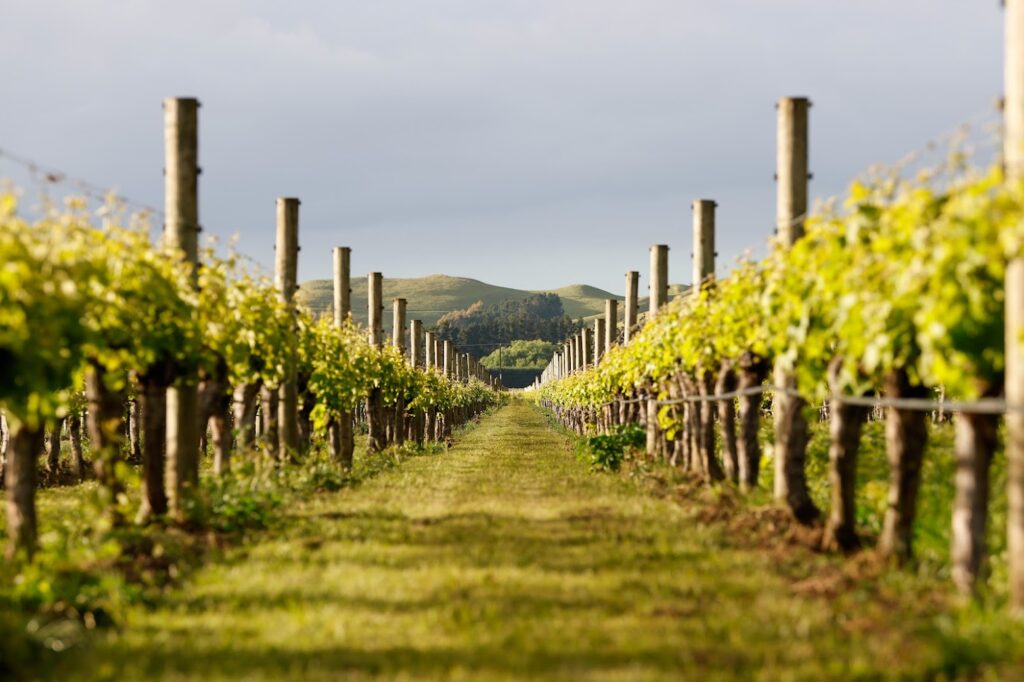
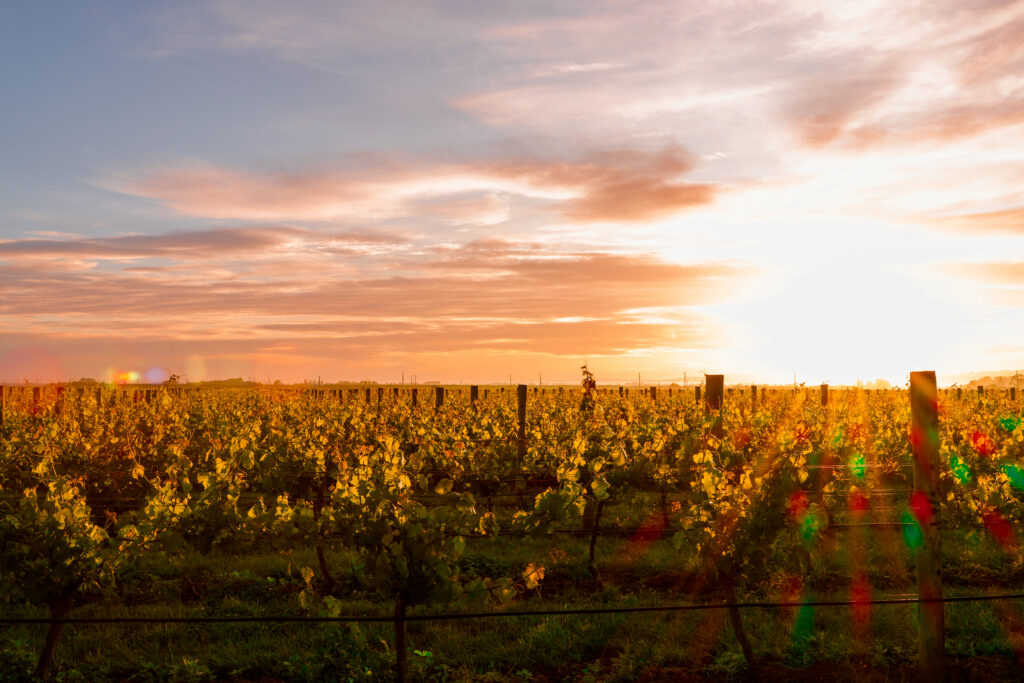
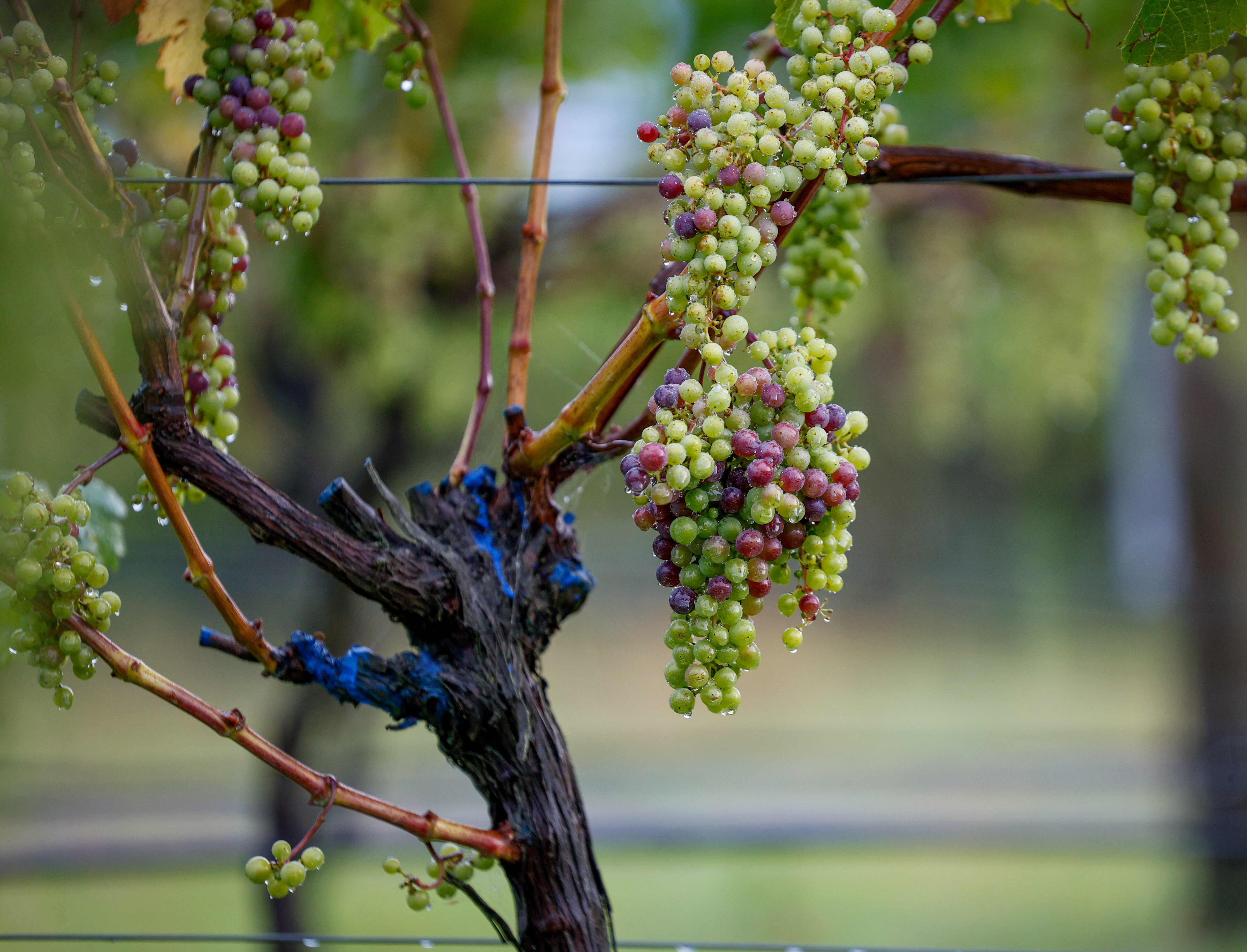
    For nearly a decade, Te Mata has been quietly applying regenerative viticulture across our Havelock Hills, Bridge Pa, and Dartmoor vineyards. This is not a gesture toward fashion, but a disciplined exploration: watching, testing, and letting each method prove itself in the vineyard and in the glass. From cover crops to mycorrhizal networks, polyculture to low-till practices, each intervention is measured, site-specific, and always in service of the wine. Here, regenerative viticulture is not an experiment for its own sake – it is a lens through which the precision of the vineyard can be realised.

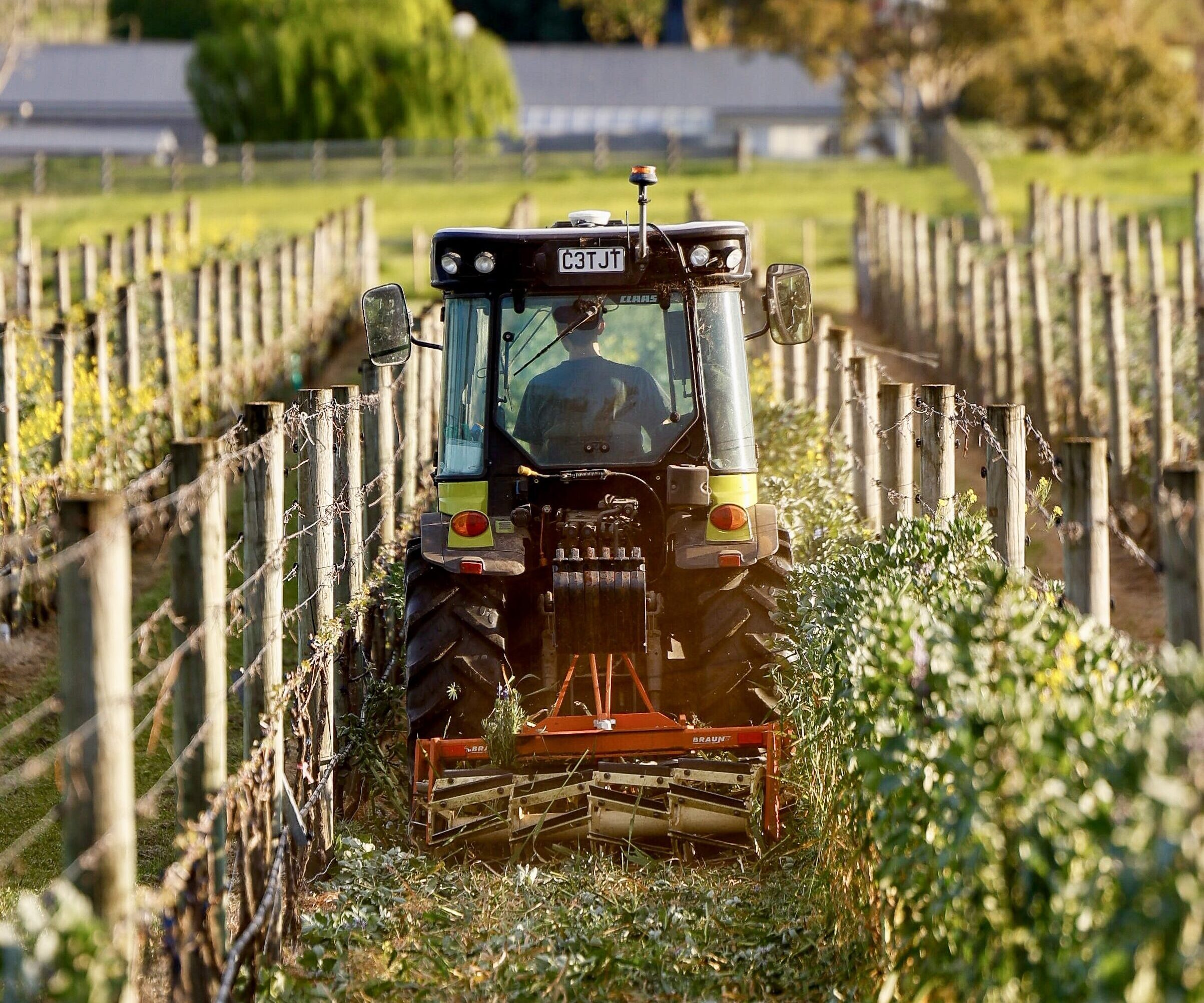
    Our regenerative toolkit is broad and detailed. Companion planting, wildflower strips, no-drill tilling, low-till cultivation, and precision seeding machinery are applied where they make the most impact. Legumes and brassicas enrich soil life and feed beneficial insects; clover acts as a natural insectary. These layers of life in the soil increase water retention, enhance carbon sequestration, and allow vines to grow in a more balanced, resilient way. Across all our varietals, these practices are subtle yet cumulative, shaping the vines’ ability to express their site without interference.


    Beneath the surface, a quiet complexity is at work. Mycorrhizal fungi and soil microbes form networks that exchange nutrients, signal stress, and improve vine immunity. It is here  in this subterranean communication – that much of the vineyard’s character originates. Vines supported by these networks ripen with steadier, more measured growth; their fruit carries texture, tension, and vibrancy that speak of life in the soil rather than manipulation in the winery. The difference is felt in the mid-palate: layered, supple tannins, integrated acidity, and a resonance of flavour that feels intrinsic, not engineered.

    Precision viticulture guides this work. Each regenerative practice is mapped, monitored, and assessed; nothing is applied uniformly for effect alone. In Bridge Pa, low-till plots allow soil to sequester carbon while nurturing microbial diversity; in Dartmoor, polyculture helps vines develop subtle aromatic complexity and structure. The result is wines that are layered rather than linear, expressive rather than amplified. They do not shout varietal clichés but instead reveal a quiet, textural depth that rewards patience and attention.


    What distinguishes Te Mata is not any single method, but the patient orchestration of many small steps over time. Where regenerative viticulture is now being spoken of as a new frontier, we have been cultivating it for years, integrating slowly, testing empirically, and only adopting what proves resilient in both vineyard and glass. This measured approach allows innovation to enhance rather than overwhelm, guiding each vine to express its site with fidelity and nuance.

    The work of regeneration is continuous, and its influence is subtle but tangible in the wines. Soil alive with microbial networks produces grapes that carry energy, tension, and layered aromatics—mid-palates that expand gently, acidity that supports rather than dominates, and tannins that resolve with suppleness. It is a quiet, persistent vitality, one that reminds us that excellence is a process rather than a moment. At Te Mata, regenerative viticulture is not a trend; it is a practice in pursuit of enduring expression. #BetterNeverStops.


  • ‘Vive la Difference!’


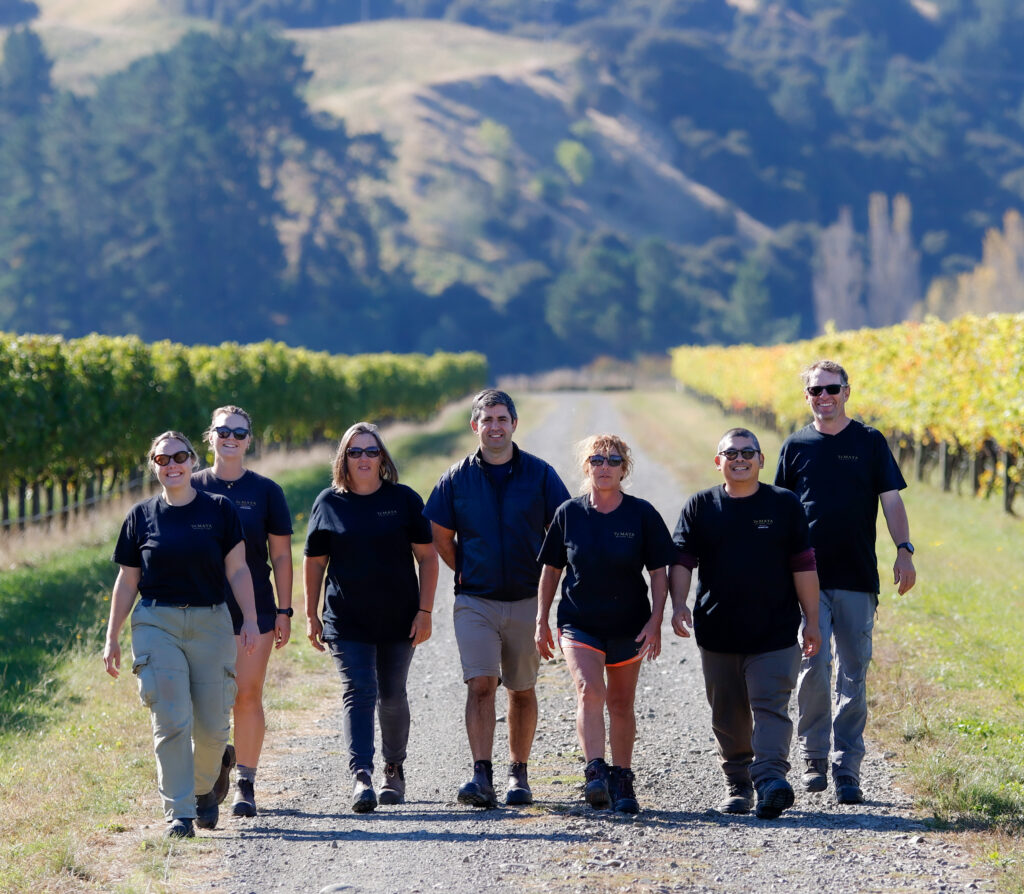
    Modern Te Mata Estate is led by CEO Nick Buck and Senior Winemaker Phil Brodie (both pictured below), who oversee our approach to winemaking.


    Read an insight from former Te Mata Estate Chairman John Buck (CNZM for Services to Wine and the Arts) on why the estate’s meticulous method is so distinctive:


    What makes a wine great? I’d suggest that what makes any wine great is also what makes them unique.


    How can you compare a Petrus, predominantly a merlot from the right bank of Bordeaux, to a Latour, predominantly a cabernet sauvignon from the left bank?


    These wines are different blends and, accordingly, different blends emerge from different soils. The varietals that suit the vineyard best will, in turn, create wine components that can be blended – not to a formula, but differently each year.


    Technical spaces for red wine specialisation – like a cuverie – improve the variety of ferments that can be individually developed and the control that can be exercised around their care.


    At Te Mata Estate we hand pick and then sort the fruit using the Armbruster system of de-stemming and grading, followed by another further round of hand sorting. We have 34 separate, small tanks available to us, and therefore over 68 batch ferments are possible in total.


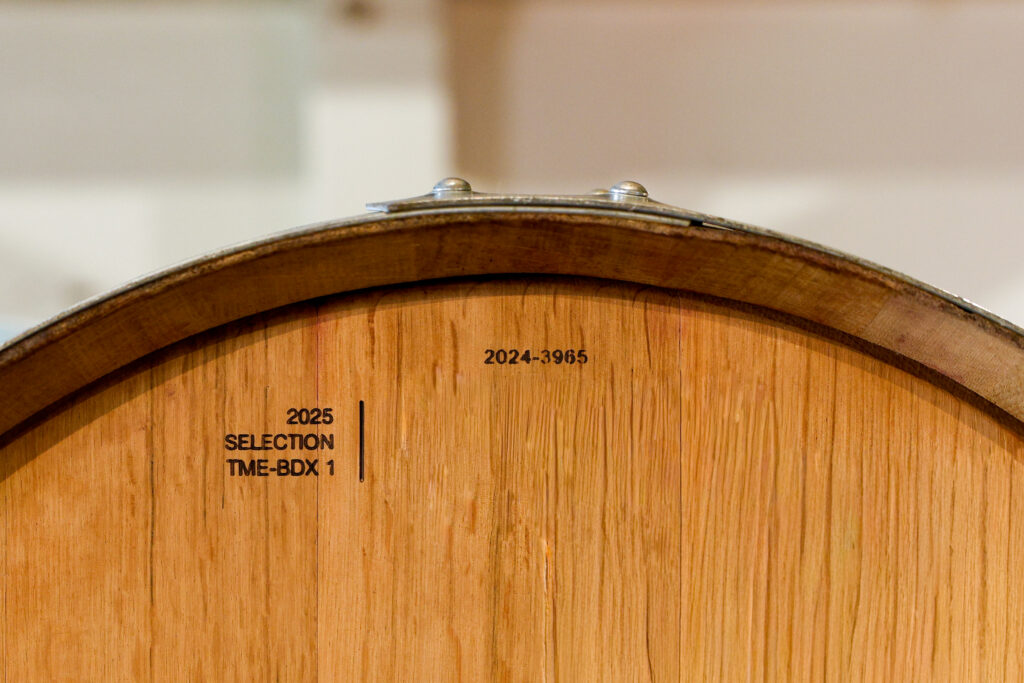
    We then have total temperature control throughout our fermentation and barrel ageing. The components are further developed in oak with topping, and three-monthly racking, before being finally blended – the crucial moment where the final wine is ‘framed’ according to what makes the best totality.


    In composing our wines this way at Te Mata Estate our aim to use this ‘best-in-the-world’ model, rather than just a New Zealand model.


    It’s a method based on what makes great wine great, and it takes a team of skilled operators working together to achieve it.


    People who know us well look at Te Mata Estate differently, because we approach winemaking differently. 


    Yes, it is about equipment, fruit quality, precision winemaking, and the right staff.


    But ultimately, it’s about the ability to create a wine that speaks honestly of our specifically-selected vineyards and our Hawkes Bay environment.

    – April 2025


    Photo credits: Carl Gunderson for the image of our winemakers and press, M2 Magazine Ltd for the image of Nick Buck, and Richard Brimer for the images of Phil Brodie in the Te Mata Estate cellar and John Buck CMNZ.


  • The Real Review x Te Mata

    Join Stephen Wong MW on a special visit to Te Mata Estate in Hawke’s Bay, New Zealand, home of the iconic Coleraine and some of the country’s most celebrated wines. Senior winemaker Phil Brodie takes Stephen inside the barrel hall and cellar, where they taste the latest vintage wines straight from barrels and tanks.
    Along the way, Phil shares insights into Te Mata’s winemaking philosophy, the estate’s history, and what makes Hawke’s Bay one of the leading New Zealand wine regions. If you’re interested in wine education or simply love exploring New Zealand wineries, this episode offers a rare behind-the-scenes look at one of the country’s greatest estates.


  • ‘Straw by Straw’

    At Te Mata Estate, viticulture begins with careful attention to the soil beneath the vines. Across the estate, a combination of under vine mowing and the application of straw is used to manage moisture, encourage biodiversity, and support vine health. These practices reflect a belief that long term quality in wine is built slowly, through thoughtful, hands on decisions made in the vineyard.

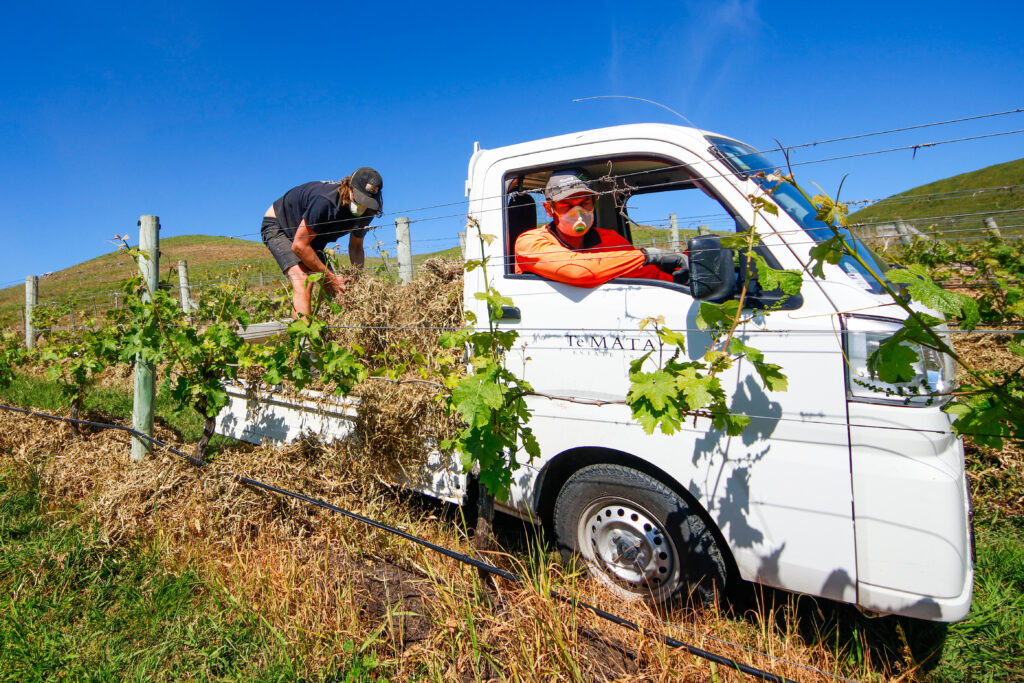
    Straw is typically applied during the colder months, when soils can still be worked and dried before winter sets in. It is also used on steeper vineyard slopes where under vine mowing is more difficult and less precise. Every bale is laid by hand, row by row, a physically demanding process that requires time and commitment. This manual approach allows Te Mata to place straw exactly where it is needed, responding to the specific contours and conditions of each block.

    Once in place, the straw acts as a natural mulch, retaining soil moisture through the growing season and reducing evaporation during warmer months. This moisture retention supports more even vine growth and reduces stress during dry periods. Straw also provides effective weed suppression, limiting competition for water and nutrients, particularly around older vines with established but sensitive root systems. As a result, the need for under vine spraying is significantly reduced.


    The benefits extend beyond weed control and water management. Straw creates habitat for beneficial organisms and contributes to healthier, more biologically active soils. This aligns with Te Mata’s broader interest in regenerative viticulture, where soil structure, microbial life, and natural balance are prioritised. Each vineyard block is treated individually, combining observation with targeted intervention, which is at the heart of precision viticulture.

    Leadership in viticulture is not only about innovation, but about responsibility and intent. At Te Mata Estate, practices such as under vine mowing and straw application demonstrate a commitment to working with the land rather than against it. By investing in labour intensive, regenerative techniques, Te Mata continues to refine how its vineyards are farmed, ensuring resilience, quality, and a clear expression of place in every wine.


  • Coleraine as Investment Class

    ‘Aotearoa produces premium wine that tops the award charts globally. The country’s cool climate and temperate weather conditions are optimal for growing grapes, allowing for the production of distinct flavour profiles and artisanal high quality.

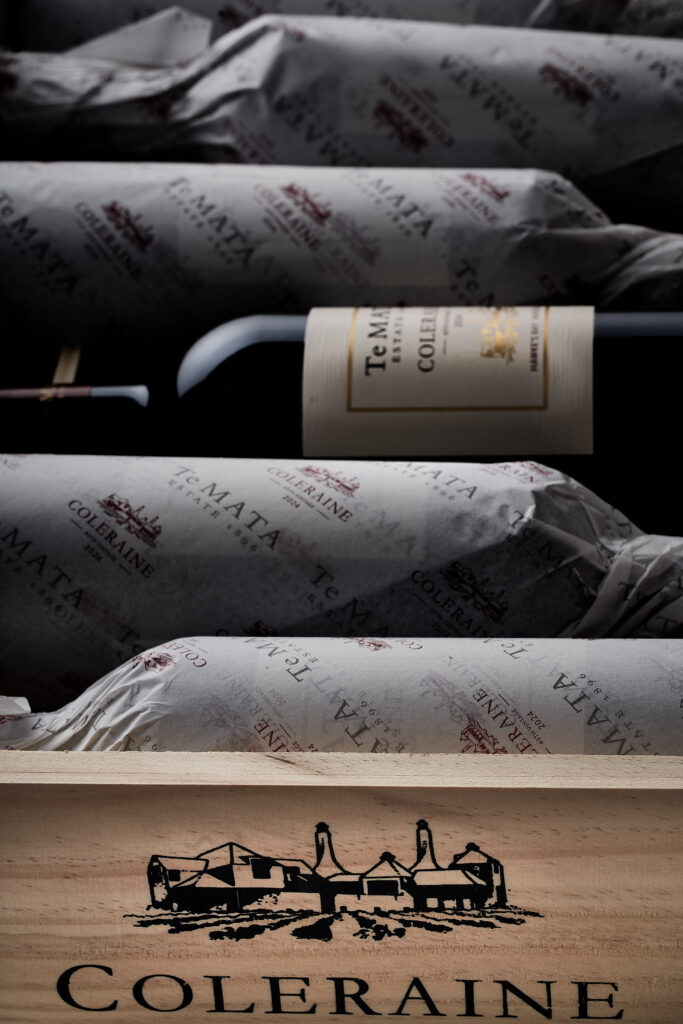
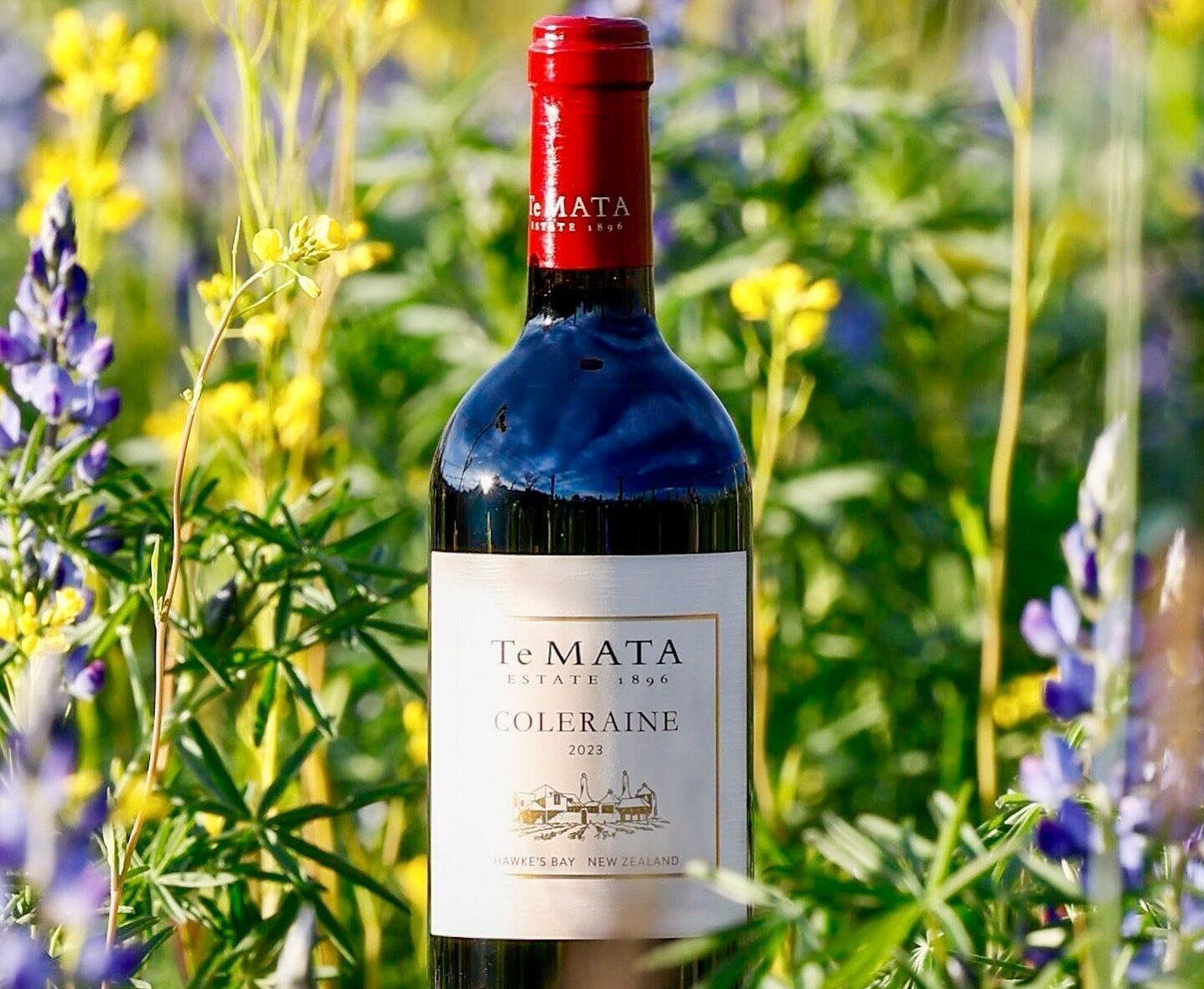
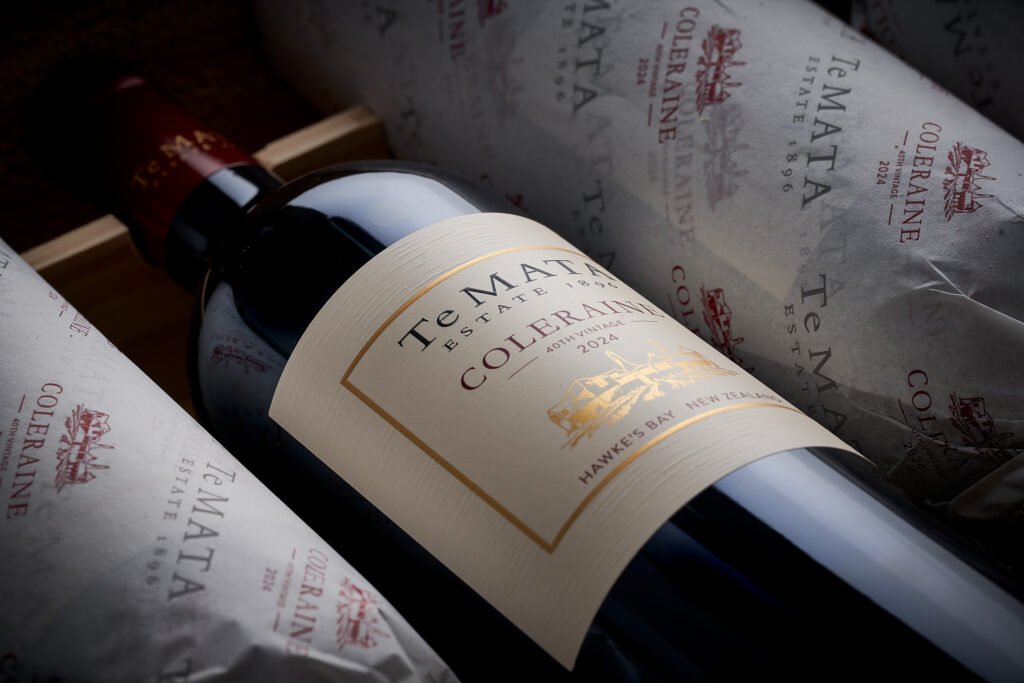
    For this reason, many wine enthusiasts will have the first of March pencilled in their calendars, and quite rightly so, as it is the annual release of Te Mata Estate’s flagship Coleraine.

    This year, the vineyard is releasing its much-anticipated 2021 vintage. In celebration, we delve deeper into why this wine is the perfect addition to your cellar. The secondary market for high-quality wines has proliferated in the last five years as collectors seek the perfect drop to drink or cellar. Over the last decade, the most sought-after wines have been those from Bordeaux, Burgundy, and Champagne.

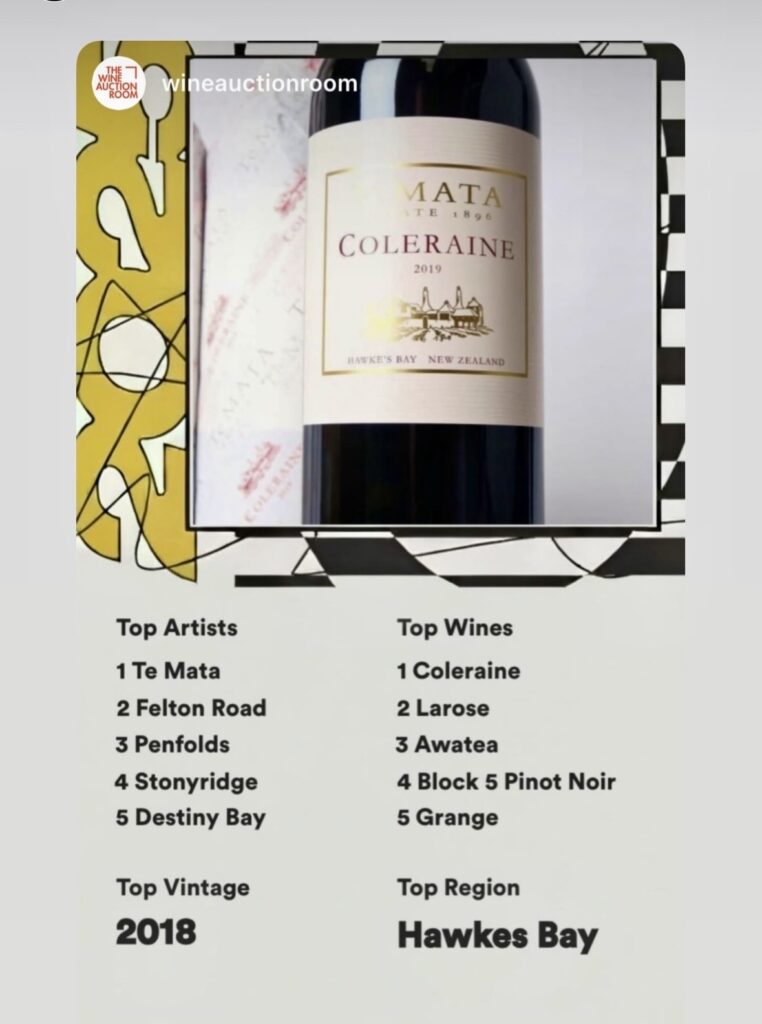
    However, New Zealand has been hot on the headliners’ heels, achieving increased global recognition and value.   All Coleraine vintages are seeing huge demand, especially those from the 1980s. Production of these wines is finite, creating a bespoke and rare offering.

    Demand for Te Mata is evident as Webb’s has seen price increases first-hand.

    In Feb 2021, Webb’s sold a single bottle of 1982 Coleraine, the first ever vintage of Te Mata Estates flagship label, for $355. Just one month later, $888 was realised for the same vintage. Later that year, a higher price of $948 was achieved.

    Later vintages have also seen incredible value increases, further reiterating the Te Mata Estate Coleraine as a niche investment for your cellar. In January this year, a new record was set for the 1988 vintage, sold at $1,224. While these records stand out dramatically, acquiring Coleraine for your cellar can be obtainable with the average price for a bottle at Webb’s sitting at just over $200.

    The new release of the 2021 vintage will be presented at Webb’s for $140, setting you up for potential growth in New Zealand flagship wine. Te Mata Estates’ consistency and quality hold them front of mind for any wine lover in New Zealand and, increasingly, abroad.

    If you want to learn more about Te Mata Estate Coleraine or are thinking of bringing your bottles to market, contact our specialists today for an obligation-free appraisal.


  • New Tech for Fresher Wines

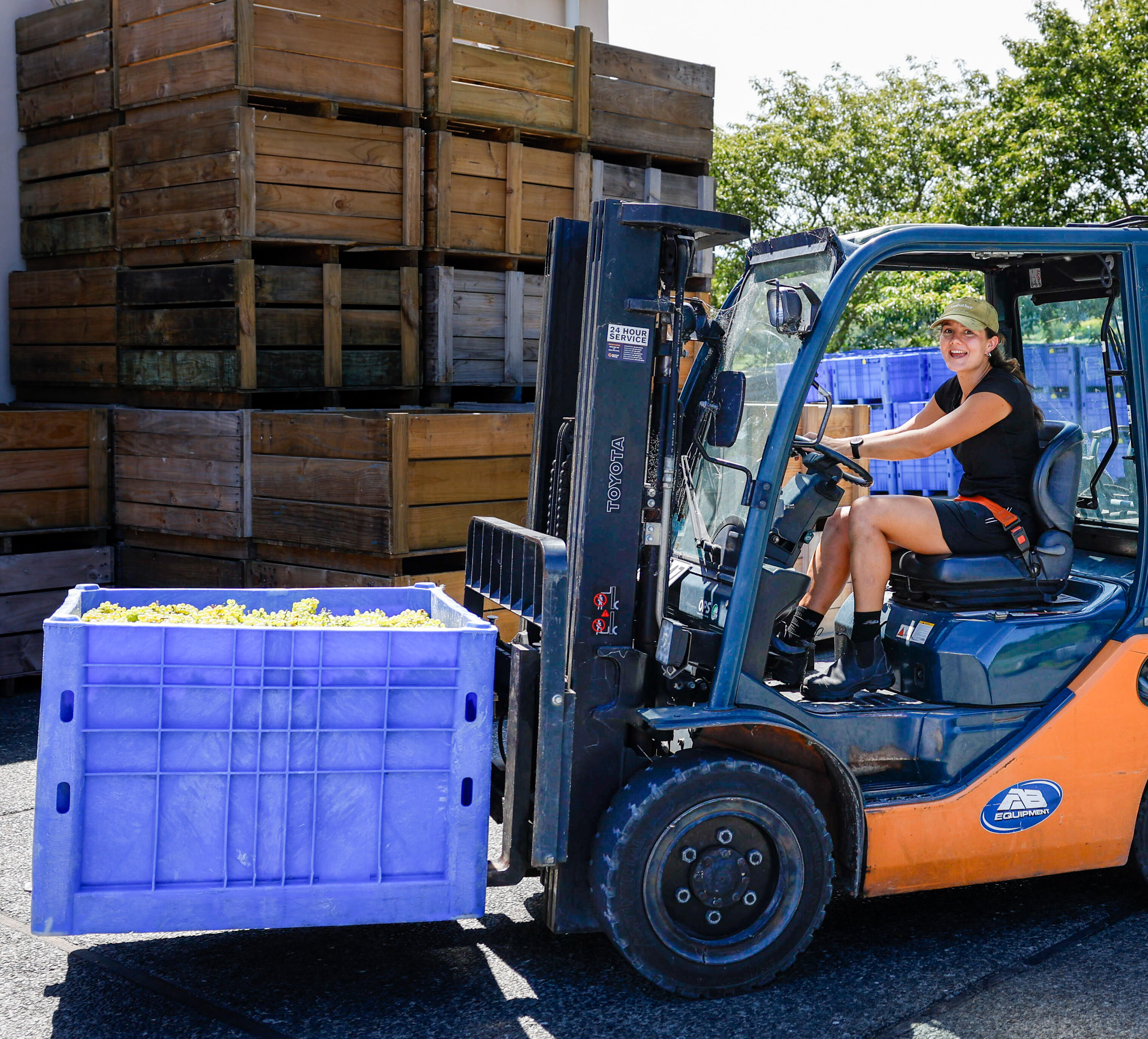
    At Te Mata Estate, innovation has always been most meaningful when it serves the vineyard. That philosophy continues with the introduction of an Armbruster vibrating fruit sorting table, making Te Mata the first winery in New Zealand to adopt this technology. Designed to handle fruit with extraordinary care, the sorter reflects a long standing commitment to precision, freshness, and the clear expression of Hawke’s Bay. It is not technology for its own sake, but a tool chosen to honour what arrives at the winery door.

    The Armbruster system processes fruit slowly and continuously, ensuring grapes are never under pressure. Using a series of vertically arranged vibrating tables, the sorter can be precisely adjusted to suit individual varieties such as Cabernet Sauvignon, Syrah, Chardonnay, and Sauvignon Blanc. This gentle movement allows berries to be separated and sorted without splitting skins, keeping each grape intact as it passes through the machine.


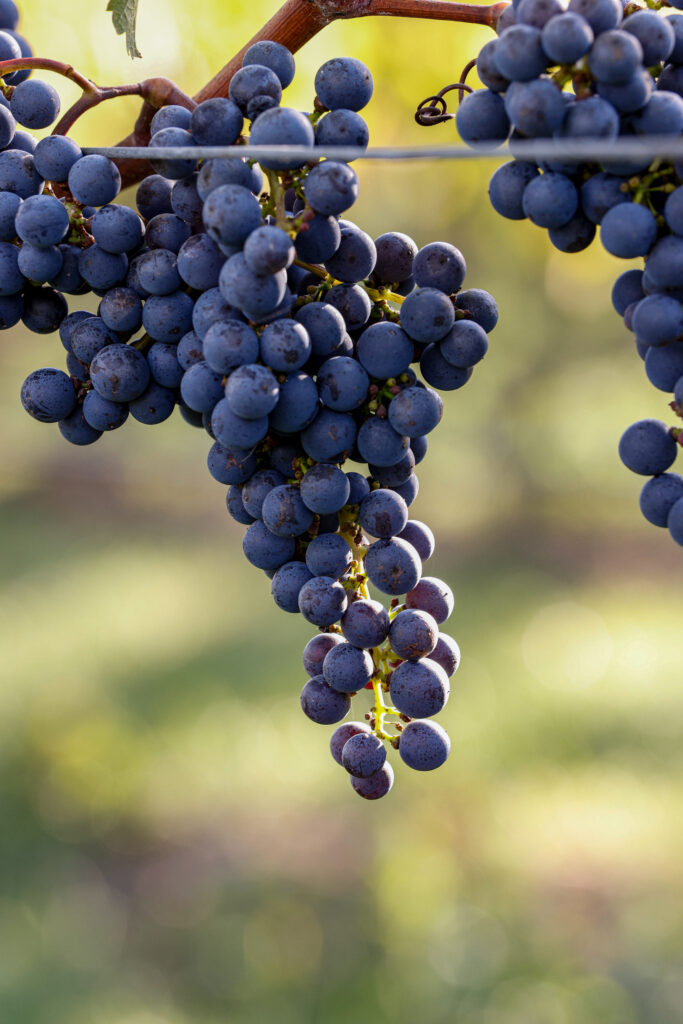
    By preventing skins from breaking, the fruit is protected from early exposure to oxygen. There is no free running juice, no leakage, and no loss of freshness at this stage. The berries emerge whole and firm, more like blueberries in a supermarket punnet than fruit destined for fermentation. This careful handling preserves acidity and aromatic purity, which are central to the regional style of Hawke’s Bay and to the identity of Te Mata wines.

    Originally, the intention was to reserve this meticulous process for the estate’s top wines, given the steady pace and considered handling required. Experience quickly proved its broader value. Today, every parcel of fruit at Te Mata passes through the Armbruster sorter. The result is a lift in quality across the entire range, with greater consistency, clarity, and energy in the finished wines.

    Wine has always advanced through the meeting of knowledge and curiosity. At Te Mata, technology and learning work together in service of beauty, balance, and place. By leading the way with innovations like the Armbruster sorter, Te Mata Estate continues to invest in the future of New Zealand wine while remaining deeply grounded in the character of its vineyards and the freshness that defines them.


  • Coleraine Vertical Collection Sets New Record – Sells Twice for Charity

    ‘A collection of 37 Te Mata Estate wine bottles was bought twice at the Hawke’s Bay Wine Auction after the initial purchaser generously donated the collection back to be resold. The event raised $335,697 in support of Cranford Hospice, beating the 2023 auction, which raised $300,000.


    Lot 23, a privately donated vertical of Te Mata Estate Coleraine spanning four decades, was tipped to be one of the standouts of the day before bidding started – a rare and complete collection of Te Mata Estate Coleraine spanning 40 years.

    One of New Zealand’s most iconic wines, Coleraine has a history of creating a stir and setting national records in the handful of times it has appeared in the Hawke’s Bay Wine Auction’s more than 30-year history.’


  • Celebrating Conservation

    This year marks a significant milestone for the Te Mata Special Character Zone as it celebrates its 30th anniversary. Nestled in the heart of Hawke’s Bay, New Zealand, this area stands as the country’s first legally protected zone for vineyards, winery, and viticulture, an achievement that sets a precedent in New Zealand’s wine industry.


    Unlike the renowned AOC or DOCG regions in Europe, New Zealand has yet to adopt such stringent protective measures. The Te Mata Special Character Zone, however, represents a unique blend of heritage, innovation, and natural beauty that encapsulates the essence of New Zealand’s wine culture. The Te Mata Special Character Zone is more than just a vineyard; it’s a testament to the vision and dedication of the region’s wine producers. By safeguarding this hillside area from any development, housing, or encroachment, the zone preserves the unique terroir that contributes to the distinctive flavors of Te Mata wines. This protection ensures that the vineyards can cultivate their grapes according to their own philosophies, free from outside influence, allowing the wines to express the true character and legacy of this historic area.


    The diverse landscape of the Te Mata Special Character Zone is home to a wealth of agricultural and horticultural ventures. From Te Mata Mushrooms and Arataki Honey to Wairarapa’s biodynamic gardens, the area supports a vibrant ecosystem of cultivation beyond the vineyards. This mixed-use approach not only enhances the biodiversity of the region but also fosters a community of growers who share a commitment to sustainable and responsible farming practices.

    The visual landscape of Te Mata is largely defined by the rolling hills and lush vineyards that make up this protected zone. It’s not just a visual treat but a journey into the heart of New Zealand’s wine country. The conservation and stewardship of this area ensure that the natural beauty and heritage of the land are preserved for future generations, making it a must-visit destination for wine enthusiasts and cultural explorers alike.


    Looking ahead, the 30th anniversary of the Te Mata Special Character Zone is a moment to reflect on its achievements and envision the future. The zone’s ongoing success in protecting and promoting the unique qualities of Te Mata’s wines serves as an inspiration for other regions and industries. As we celebrate this milestone, we look forward to seeing how the continued stewardship of Te Mata will shape the future of New Zealand wine, ensuring that it remains a beacon of excellence and innovation on the global stage.


  • Companion Planting Updates

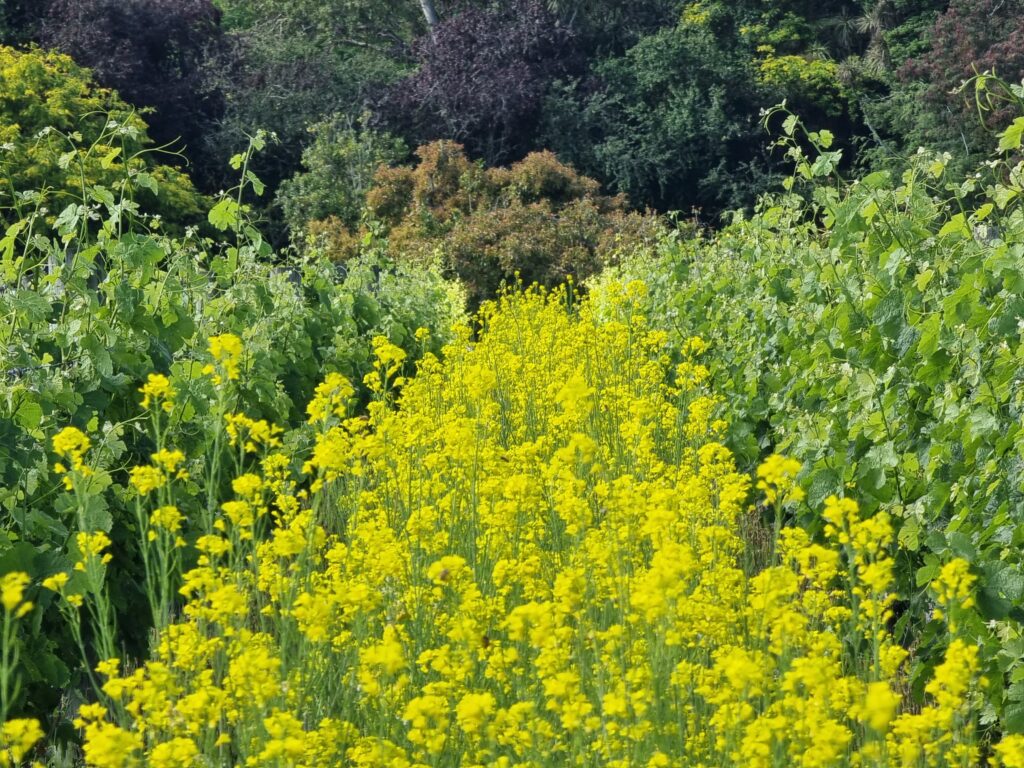
    Spring has truly arrived in the Te Mata Estate character zone, and the vineyards are bursting with life. Between the vines, a carpet of mustard seed, tick bean, and phacelia is in full flower, bringing vibrant colour to the rows. These companion plantings aren’t just beautiful – they play a vital role in our organic and regenerative viticulture practices, supporting the vineyard ecosystem while setting the stage for another remarkable vintage.

    Walking through the vines right now, you’ll see clouds of bees from local Arataki hives busy at work, moving from blossom to blossom. Their presence is a living sign of the biodiversity we encourage here. By planting species like phacelia, which bees love, we’re not only improving pollination but also strengthening the resilience of the vineyard as a whole. The hum of activity is a reminder that healthy vineyards are alive with more than just grapes.


    These cover crops do more than attract beneficial insects. Tick beans, for example, naturally fix nitrogen into the soil, while mustard seed helps manage pests and disease pressure. Phacelia’s deep roots aerate the soil, improving structure and water retention. Together, they boost soil health in a natural, sustainable way, reducing the need for intervention and keeping the vineyard in balance.

    At Te Mata Estate, we’ve always combined time-honoured techniques with innovative approaches, and our spring cover crops are a perfect expression of that philosophy. By weaving organics, regenerative viticulture, and biodiversity into the fabric of our vineyard, we’re not only caring for the land but also crafting wines that carry the character of a thriving, living environment. Right now, the vineyard is alive with colour, life, and promise – the perfect start to the season ahead.


  • Beyond Biodynamics

    At Te Mata Estate we do use organic and biodynamic techniques, alongside traditional winemaking. We’re also known for regenerative and precision viticulture.


    For us it’s a ‘toolkit’ approach we use – one where we have to see the results in the glass, This time of year our preparations are made up.

    In this picture viticulturist Brenton O’Riley shows new vineyard staff our process.


    Images courtesy of Te Mata Estate Vineyard Manager @carlgundersen


Join the Club

Join the Te Mata Club